How much caffeine is in coffee? your daily 1 cup, Many people want to know. Coffee is a delicious drink that is widely known around the world. A century ago, coffee was changed in a brewing machine, which was used to learn how to make coffee from the beginning to the end. Since then, each coffee pot has been unique.
After making our coffee, we drink as much as possible, never thinking about who made it. An 8-ounce cup of coffee usually contains 95 milligrams of caffeine. Once we make our coffee, it is not about how much we drink, but how much we should drink that is healthy. People think that the best glass of wine ever was made, but no one has ever discovered how it was made. See more…
How Much Caffeine Is in Coffee – What is it?
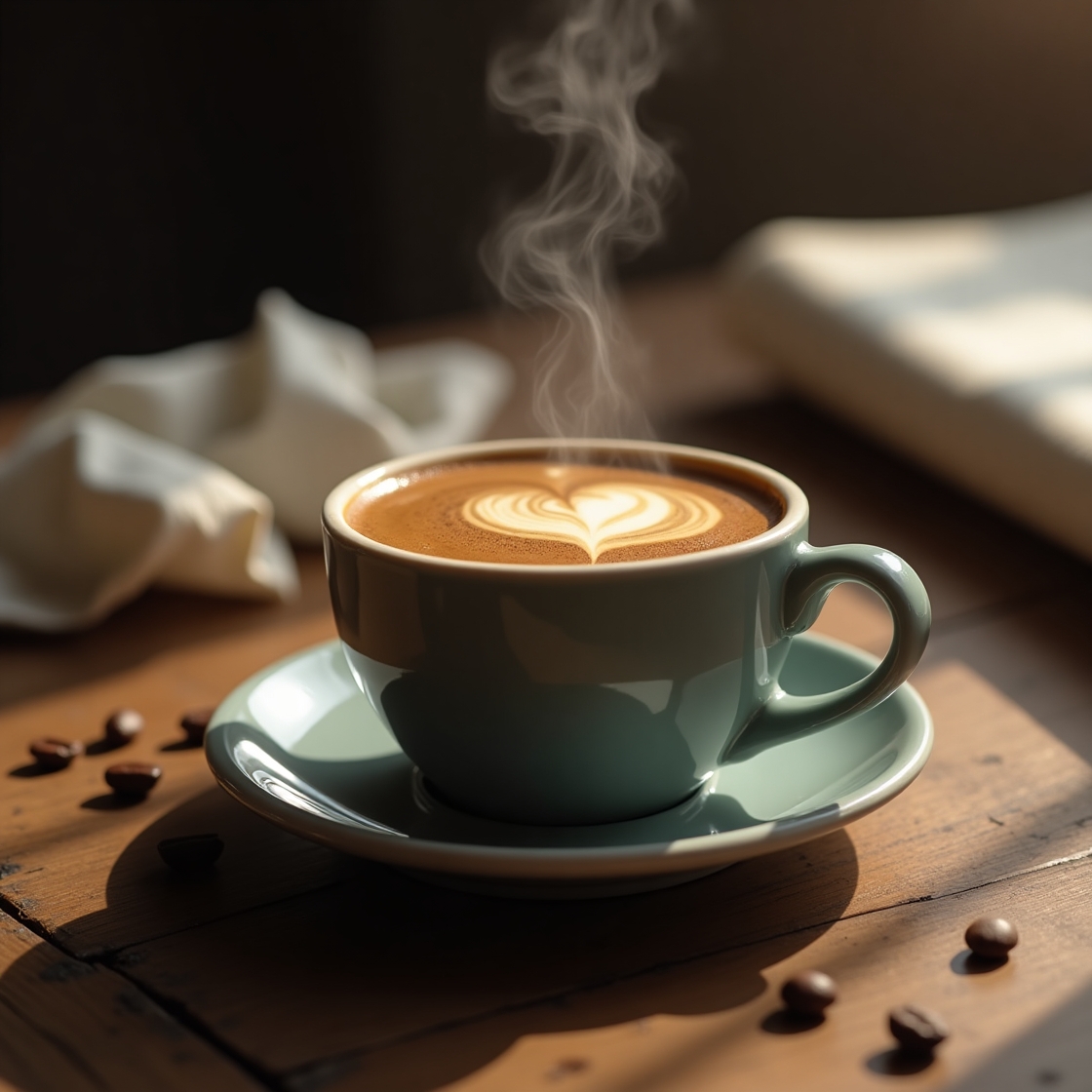
Caffeine is a common stimulant found in coffee, tea, cocoa, and other plants. It works by blocking the effects of adenosine, a neurotransmitter whose primary function is to limit the onset of sleep, alert a person, and give them a warm feeling of vitality.
This stimulant enters the body and has a rapid effect, becoming noticeable after 15-45 minutes and remaining in your body for several hours, depending on a person’s digestive system. How much caffeine is in coffee? This is a question that many people ask. For most consumers, caffeine is the main reason their cup of coffee lands on their tongue, but its use can vary greatly depending on factors such as the type of coffee, the serving size, and the preparation.
How Much Caffeine Is in Coffee? Variables for Caffeine Concentration in Coffee
Coffee Beans
Coffee is arranged utilizing essentially two sorts of beans: Arabica and Robusta.
1. Arabica may have a milder taste and contain less Caffeine (1.2-1.5% by weight).
2. Robusta may taste vigorous and biting and has nearly twice the caffeine substance by weight (Caffeine per 2.2-2.7% of weight).
Method of Brewing
Different arrangement strategies, like the French press strategy, a pour-over, or a coffee machine, suddenly extricate Caffeine. They encourage more noteworthy brewing times or higher coffee-water proportions, which positively impact the drawing of more caffeine.
Size of Serving
Of course, the higher the volume of coffee, the higher the caffeine content. Thus, one curiously large latte or cold brew seems to have an altogether more critical caffeine stack than a little serving.
Roasting Level
Widespread misinterpretation holds that darker cooks contain more Caffeine. In any case, lighter and darker broils display roughly the same amount of caffeine. On the other hand, dim broils have less volume than the same-weight of light-broiled coffee. Consequently, volume-based estimations of coffee, such as tablespoons or weight, may result in marginally less Caffeine.
Coarseness of Grind
Finer grinds, like those in coffee, extricate Caffeine more effectively than coarser grinds in the cold brew or the French press handle.
Effects of Caffeine on the Body
Caffeine emphasizes the central nervous system, leading to increased awareness, mood elevation, and readiness. The results of these influences will, in any case, vary greatly from one person to another, being altered consistently by such factors as resistance and individual muscle tone, the kind of caffeine intake, or, of course, the amount thereof.
Immediate Positive Effects:
Increased clarity and focus
Improved cognitive performance
Boost of energy
Potential Side-Effects During High Caffeine Intake:
Agitation or jitteriness
Rapid heartbeat
Sleeplessness
Development of fears and mood changes
Daily Requirement of Caffeine
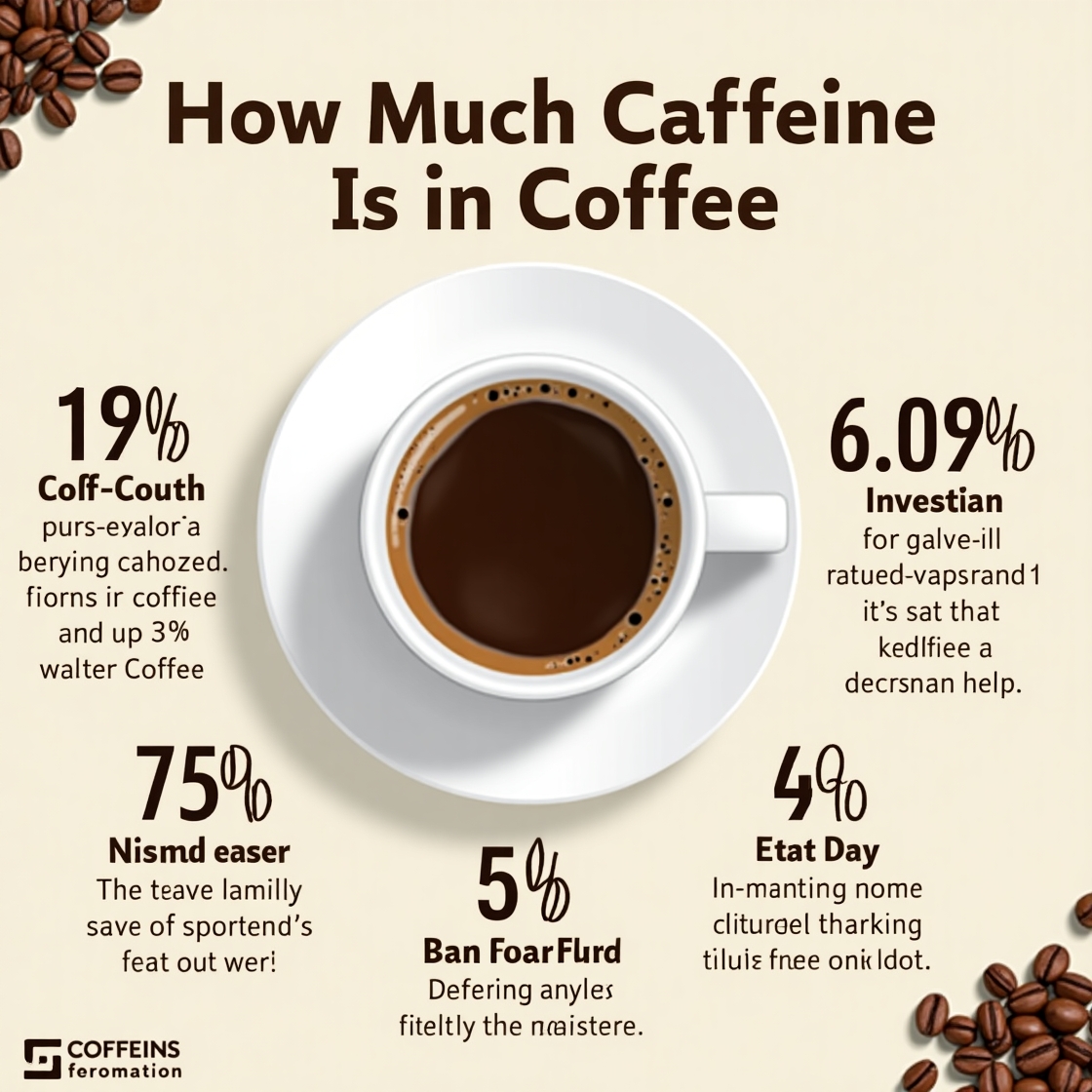
The FDA agrees with and proposes that the correct quantity for caffeine intake by the vast majority of grown-ups is “400 mg.” This rule allows you to drink about four cups of 8 ounces of coffee; for those who are caffeine-sensitive, taking more than that could worsen the side effects if anything.
Daily Requirement of Caffeine and How Much Caffeine Is in Coffee?
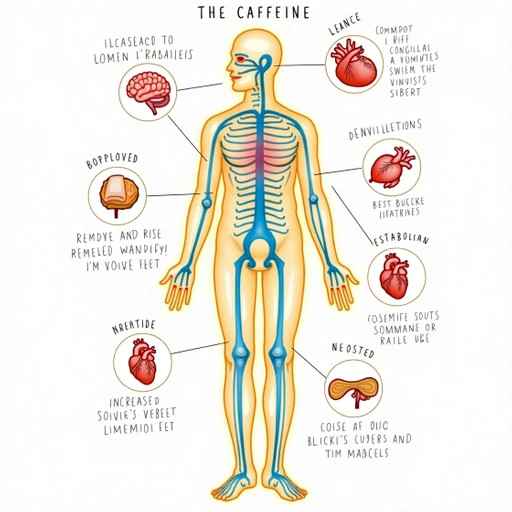
A person’s response to Caffeine is not uniform, and various factors greatly affect a person’s sensitivity to Caffeine.
Genetic factors: A few people inherit genetically modified caffeine metabolism that lets Caffeine metabolize faster or longer in their bodies compared with others.
Age and weight: Teenagers or individuals with smaller body sizes may be prompter at exposure to Caffeine.
Health: Diseases related to anxiety or the heart will make one more sensitive to Caffeine.
Caffeine Tolerance: Most people build up regular tolerance with a greater demand for Caffeine to achieve results.
Does Decaf Kill Caffeine Concerns?
If you look at things this way, decaffeinated coffee is a healthier option for those concerned about their health, but it does not contain zero caffeine. A single cup of decaf contains between 2 and 5 grams of Caffeine, which can rapidly accumulate a substantial total number of milligrams when several cups are consumed.
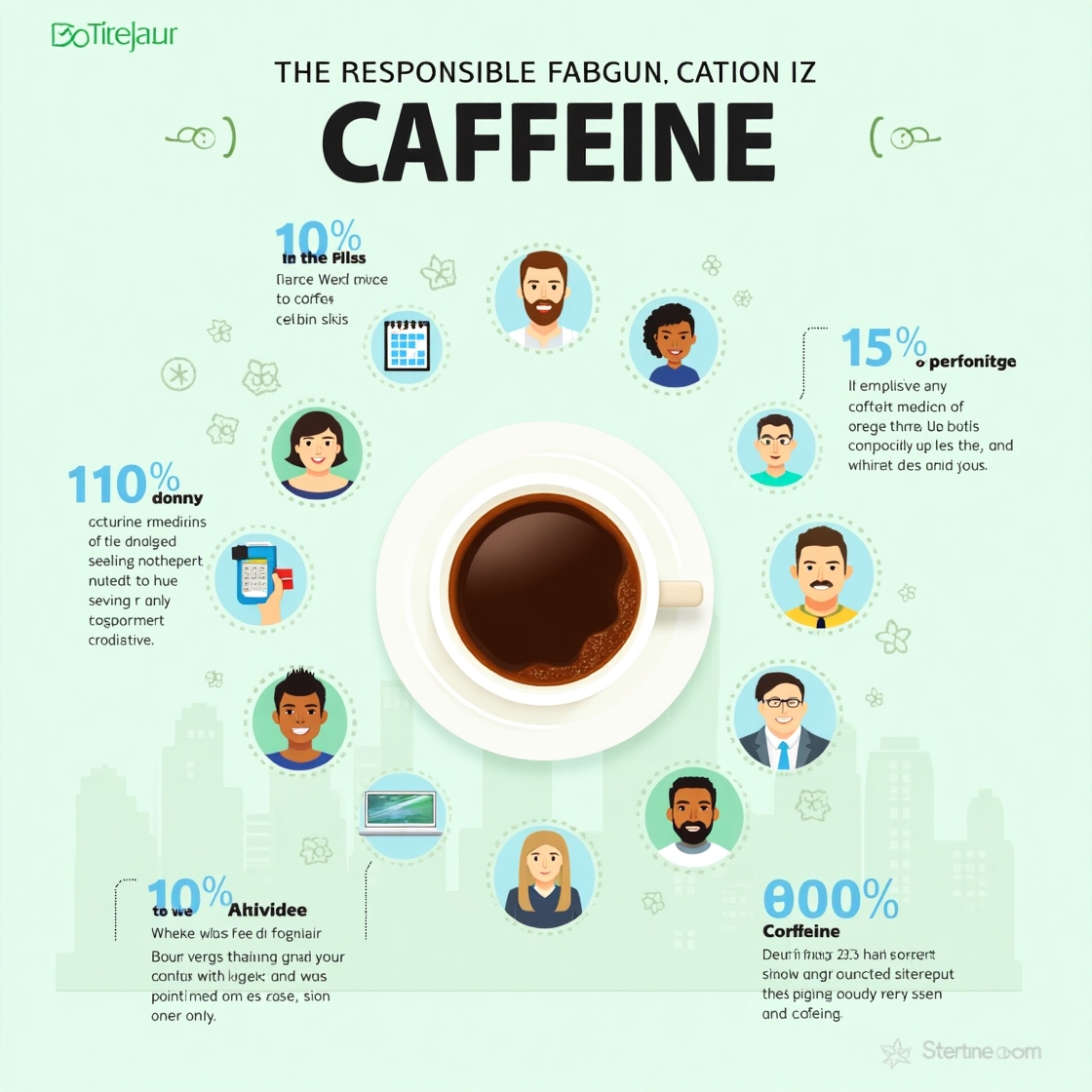
How to Manage Caffeine Intake
Set Your Limit: Stick to the recommended 400 mg daily or less if you are sensitive.
Choose Smaller Cups: Take cups containing smaller amounts of Caffeine.
Decaf or Half-Caf: It helps you enjoy coffee and not be caffeine-glazed.
Time Your Coffee: Do not take Caffeine towards the end of the day if you want to have a good night’s sleep.
Read Labels: You should certainly look for caffeine in instant coffee, iced beverages, and other specialty products.
In the future
Coffee is one of the wonderful things in life because it perks us up, keeps us awake, and rejuvenates us. In any case, learning how much Caffeine is in your daily cup is essential to enjoying it responsibly. Many factors influence how much Caffeine you consume, from the kind of beans used to the process used to brew your coffee. How much caffeine is in Coffee? Coffee is a sound refreshment that is gigantically well-known around the world.
A century prior, a coffee recolor in a brewing machine, delivered for the to begin with time, hopped around the room, at long last learning how to make coffee. Each container of coffee, in any case, has been distinctive since that point. Now and then, coffee takes more time than is vital to pour. After making our coffee, we drink it as long as possible, independent of who made it. Once we have made our coffee, we drink it for as long as possible, independent of who made it. Most likely, the best glass of all time was made without anybody finding how it had been done. Details…
FAQs
1. How Much Caffeine Is in Average Coffee?
On average, an 8-ounce (240 mL) cup of coffee has approximately 95 mg of caffeine, but this concentration could be altered due to various factors such as the type and blend of coffee, brewing method, or amount brewed
3. Which brewing method extracts the most caffeine?
The brewing method matters a lot when it comes to caffeine content.
Espresso (1 oz): 63 mg
Drip coffee (8 oz): 95 mg
French Press coffee (8 oz): 80-100 mg
Cold brew coffee (8 oz): 150-200 mg
4. Is light roast more caffeinated than dark roast?
Scarily enough, this myth has been busted: Both roasts have about the same caffeine content by weight; however, light roasts contain more caffeine because they are denser and yield a slightly larger amount of caffeine when measured by volume (scoops).
5. Does decaffeinated coffee contain caffeine?
Yes, decaffeinated coffee beans are not caffeine-free. It is estimated that one cup of decaf coffee contains 2-5 mg of caffeine, depending on the method of decaffeination applied.
6. What are the effects of too much caffeine?
Too much caffeine will give rise to:
Nervousness and anxiety
Racing heart
Inability to sleep and stay awake
Upset stomach
7. How can I control my caffeine intake?
Caffeine intake control can be handled as follows:
Follow the respective limit.
Order a smaller-sized cup.
Get decaf or half-caf.
Avoid caffeine at night to enhance sleep.